
The Hidden Key to Children's Mental Health: Caregiver Wellbeing
- The Evergreen Care Team

- Jun 11
- 3 min read
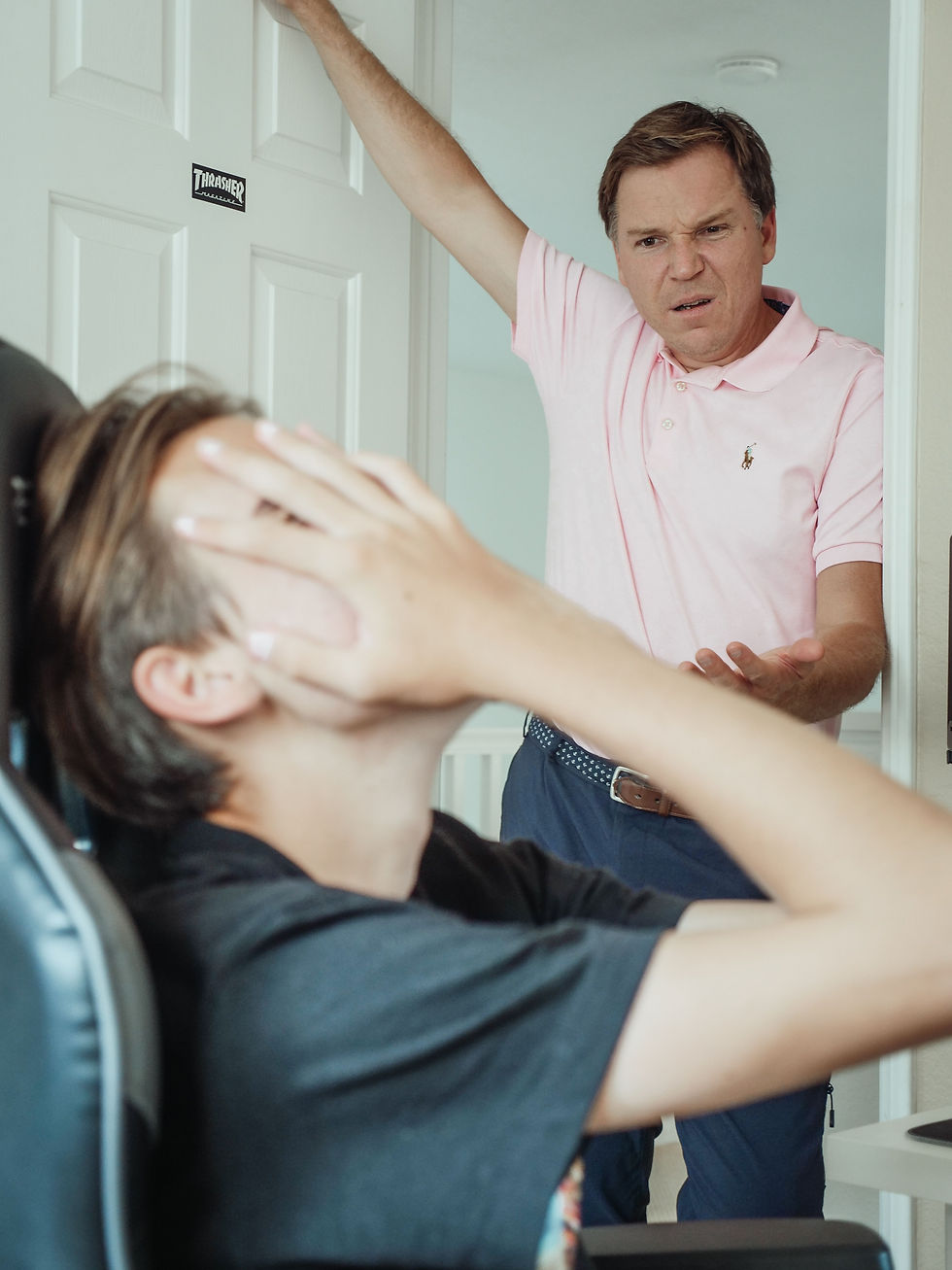
Children’s mental health depends on many factors, but one of the most overlooked is the wellbeing of their caregivers. When caregivers struggle with their own mental health, it directly affects children’s mental health in ways that are often subtle but powerful. Understanding this connection can help parents and guardians create healthier environments for their children to thrive emotionally and psychologically. To learn more examine https://www.evergreenbmh.com/post/supporting-children-s-mental-health-in-2026-and-beyond.
The Hidden Key to Children's Mental Health: Caregiver Wellbeing
Caregivers are the primary source of emotional support and security for children. When caregivers feel overwhelmed, stressed, or mentally unwell, their ability to provide consistent care diminishes. This can lead to increased anxiety, behavioral problems, and emotional difficulties in children.
Research shows that children whose caregivers experience chronic stress or mental health challenges are more likely to develop mental health issues themselves. https://pmc.ncbi.nlm.nih.gov/articles/PMC6628684/
This happens because children absorb emotional cues from their environment. If a caregiver is anxious or depressed, children may internalize those feelings or react with confusion and fear.
How Caregivers’ Mental Health Affects Children’s Mental Health
The effects of caregiver wellbeing on children’s mental health appear in several ways:
Emotional Availability
Caregivers struggling with mental health may find it hard to be emotionally present. This lack of availability can make children feel neglected or insecure.
Modeling Behavior
Children learn how to handle emotions by watching adults. Caregivers who manage stress and emotions healthily teach children valuable coping skills.
Consistency and Routine
Mental health challenges can disrupt daily routines. Children benefit from predictable schedules, which help them feel safe and grounded.
Communication Patterns
Caregivers with poor mental health might communicate less effectively, leading to misunderstandings and emotional distance.
Signs That Caregiver Wellbeing Is Impacting Children
Parents and guardians should watch for signs that their mental health might be affecting their children:
Increased irritability or withdrawal in the child
Trouble sleeping or changes in appetite
Difficulty concentrating or declining school performance
Frequent tantrums or aggressive behavior
Expressions of sadness or anxiety
If these signs appear, it’s important to consider the caregiver’s own wellbeing as part of the solution.
Practical Steps to Support Caregiver Wellbeing
Supporting caregiver wellbeing is not just about self-care; it’s about creating a healthier family dynamic. Here are some practical steps caregivers can take:
Prioritize Mental Health
Seek professional help if feeling overwhelmed. Therapy, counseling, medication, or support groups can provide valuable tools.
Build a Support Network
Connect with friends, family, or community groups. Sharing responsibilities and emotions reduces isolation.
Practice Mindfulness and Stress Reduction
Simple techniques like deep breathing, meditation, or short walks can improve mood and resilience.
Set Realistic Expectations
Avoid perfectionism. Accepting that some days will be harder helps reduce pressure.
Create Consistent Routines
Establish regular meal times, bedtimes, and activities to provide stability for both caregiver and child.
How Communities Can Help Caregivers
Communities play a vital role in supporting caregiver wellbeing. Schools, healthcare providers, and local organizations can:
Offer parenting workshops focused on mental health
Provide accessible mental health services for caregivers
Create safe spaces for caregivers to share experiences
Promote policies that reduce caregiver stress, such as flexible work hours and childcare support
Real-Life Example
Consider a mother juggling a full-time job and caring for two young children. She experiences anxiety and exhaustion but feels guilty taking time for herself. Over time, her children begin showing signs of stress: trouble sleeping and increased clinginess. After seeking counseling, she learns stress management techniques and connects with a local support group. As her wellbeing improves, her children’s behavior also stabilizes, showing how caregiver mental health effects children mental health directly.
Final Thoughts
The hidden key to children's mental health: caregiver wellbeing is so often overlooked. Children's mental health thrives when families thrive. As awareness grows around the connection between caregiver wellbeing and child wellbeing, a family-centered approach to mental health care has never been more important.
At Evergreen Behavioral & Mental Healthcare, we are proud to support children, adolescents, and families throughout Greensboro and the Piedmont Triad with compassionate, evidence-based behavioral health services.
To learn more about our services or schedule an appointment, visit www.evergreenbmh.com.
Together, we can help children and families build a healthier, more resilient future.


Comments